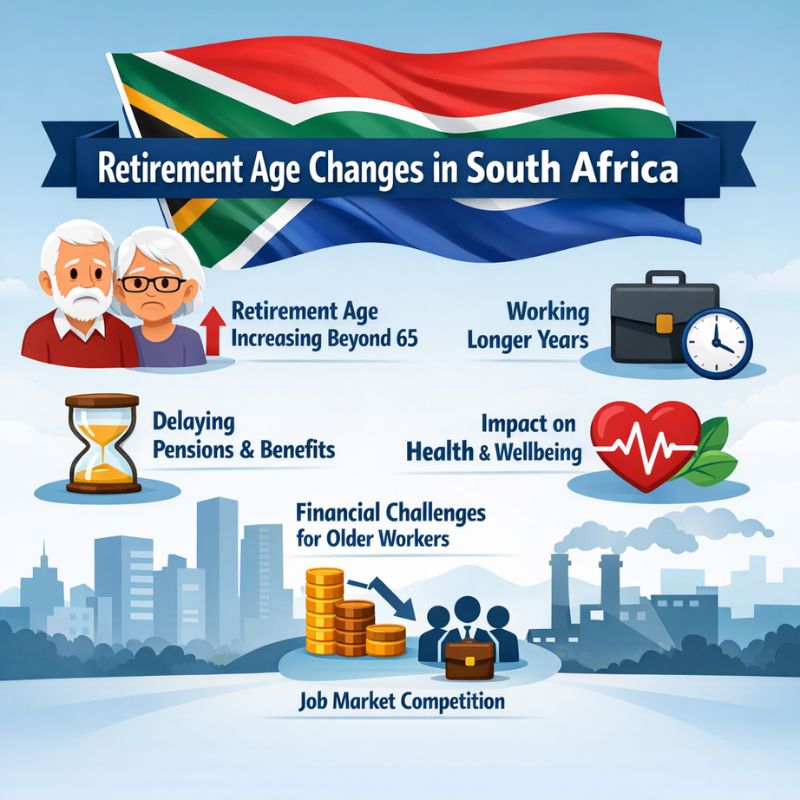
For many years, the age of 65 has been considered the traditional point of retirement for workers. However, recent policy changes and financial expert opinions suggest that this long-standing benchmark is now evolving. Governments and financial planners are encouraging individuals to rethink retirement timing rather than strictly aiming for 65.

This shift is mainly driven by changing economic realities and longer life expectancy. As people are living healthier and longer lives, retirement systems must adapt to support extended post-retirement years. As a result, policymakers are exploring flexible retirement models instead of fixed retirement ages.
Retirement Policies Are Evolving
One of the key reasons behind these changes is the rise in life expectancy. Thanks to medical advancements and better living conditions, individuals can remain active and productive for a longer period.

However, longer lifespans also increase the financial pressure on both public pension systems and private retirement savings. To maintain sustainability, many systems now encourage individuals to continue working for a longer time.
Working longer offers clear benefits:
- Increased retirement savings
- More contributions to pension funds
- Reduced risk of outliving savings

Possible Increase in Retirement Age
Many retirement systems are gradually adjusting their policies. Instead of retiring at 65, future retirees may need to work until 66 or 67 to receive full retirement benefits.
While early retirement is still an option, it often comes with reduced pension benefits because the savings must last longer.

Key Comparison
| Factor | Earlier System (Age 65) | New Trend (Age 66-67+) |
|---|---|---|
| Retirement Age | Fixed at 65 | Gradually increasing |
| Pension Benefits | Full at 65 | Full at later age |
| Early Retirement | Available | Available (reduced benefits) |
| Financial Pressure | Moderate | Higher due to longevity |
| Savings Requirement | Lower | Higher |
Impact on Retirement Planning
These changes highlight the importance of long-term financial planning. Individuals now need to carefully assess:
- How much to save
- How long to work
- Expected retirement expenses
Planning ahead becomes crucial to ensure financial stability during retirement. Extending working years can:
- Strengthen financial security
- Reduce the risk of exhausting savings
- Improve overall retirement lifestyle
Employers and financial institutions are also adapting by offering:
- Flexible retirement options
- Financial planning support
- Retirement education programs
Conclusion
The concept of retiring at 65 is gradually becoming outdated. With longer lifespans and evolving economic conditions, individuals must adopt a more flexible and strategic approach toward retirement planning. Proper preparation and extended working years can help ensure a secure and comfortable retirement.