
The Supreme Court of Appeal in South Africa recently said that Eskom, the country’s state-owned electricity company, has to make its contracts with coal and diesel suppliers public. This is a big win for openness in an industry that has been known for being secretive, unstable financially, and not having much public trust.
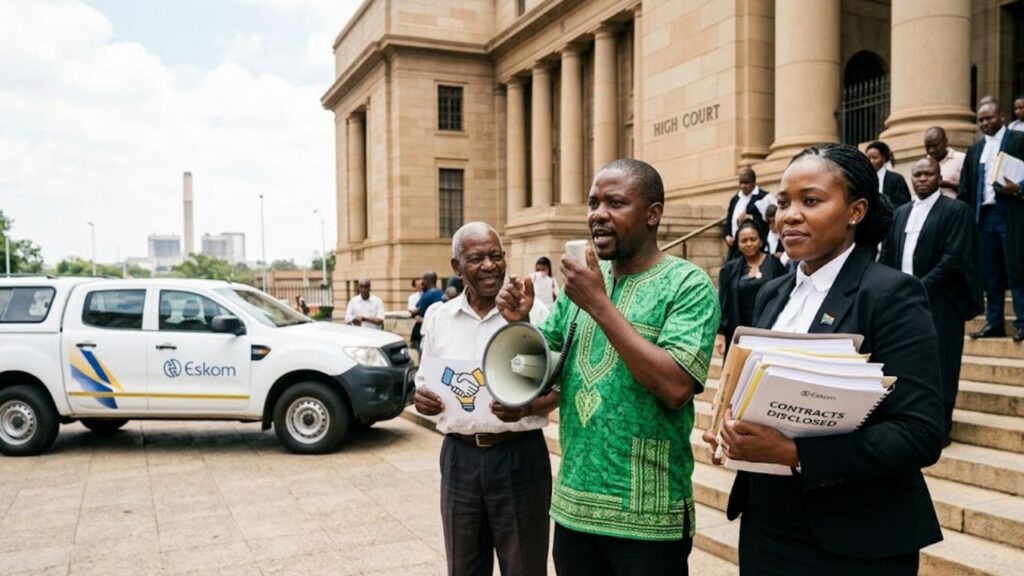
Eskom makes about 90% of the country’s electricity by burning coal that it buys from South African coal mines.
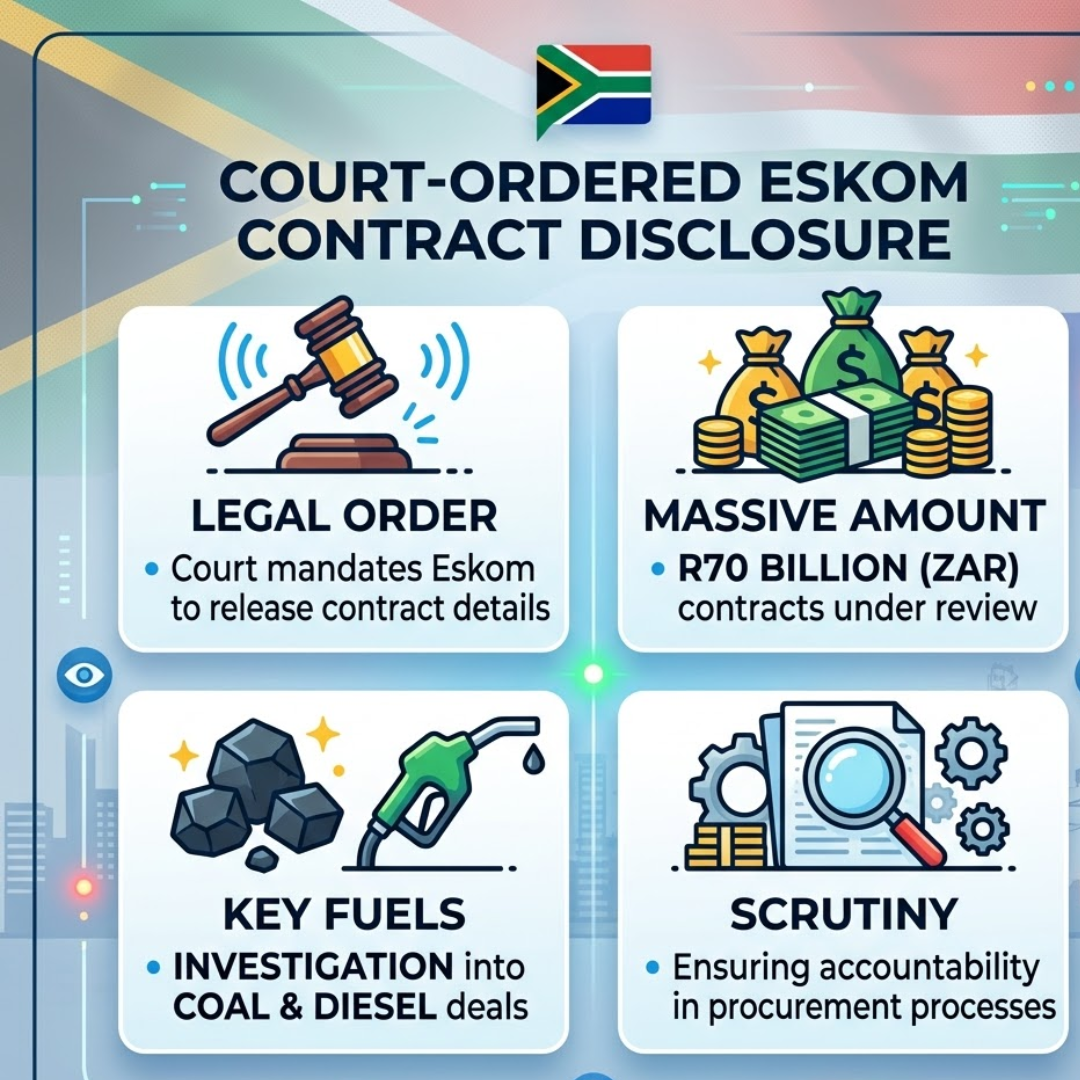
Eskom spends R70 billion (US$4.16 billion) a year just on coal and getting it to where it needs to go, but until now, it hasn’t been able to show its contracts with the mines.

In 2024, South Africa’s High Court told Eskom to make public all of its coal and diesel contracts. Eskom appealed the decision, so this didn’t happen.
The Supreme Court of Appeal turned down the appeal on March 23, 2026. They said that vague claims of commercial secrecy are not enough when the public wants to know how the power utility spends public money. They also said that Eskom would have to make all of its active coal and diesel contracts public.
People in South Africa have the right to ask for and get state records because of the country’s access to information law. The government owns Eskom. It is important to note that the South African government backed about R350 billion (US$20.7 billion) of Eskom’s debt over the past 20 years and then took over R230 billion (US$13.7 billion) of the utility’s debt. When billions of dollars of taxpayer money are spent, it is hard to defend secrecy on moral and legal grounds.
I study the right to electricity, constitutional accountability, administrative law, and how electricity is governed. There is an electricity crisis in South Africa because there isn’t enough power, prices are going up, people don’t trust the government, and people are still worried about how decisions are made.
Fixing the electricity crisis isn’t just a matter of getting more power. It is also about being open, honest, and making decisions that are fair. This new ruling backs up that idea even more.
Why the court case went against Eskom
The judges said that everyone already knows how much coal and die
sel cost. They also stressed that Eskom buys these fuels through open and competitive bidding processes. It’s much harder to say that the price and terms are still truly secret once a contract is awarded through an open tender process.
The court also turned down the idea that making the information public would hurt Eskom’s ability to negotiate in the future or make collusion more likely. Eskom’s main point was that if suppliers knew what was in existing contracts, this could change how negotiations go in the future or make it easier for people to work together in future tenders.
But Eskom didn’t back this up with real evidence. It mostly gave general warnings.
The court didn’t think that was enough. This part of the ruling is important because it backs up the basic idea that public bodies must be open by default when they have information. Secrecy is not the norm; it must be explained.
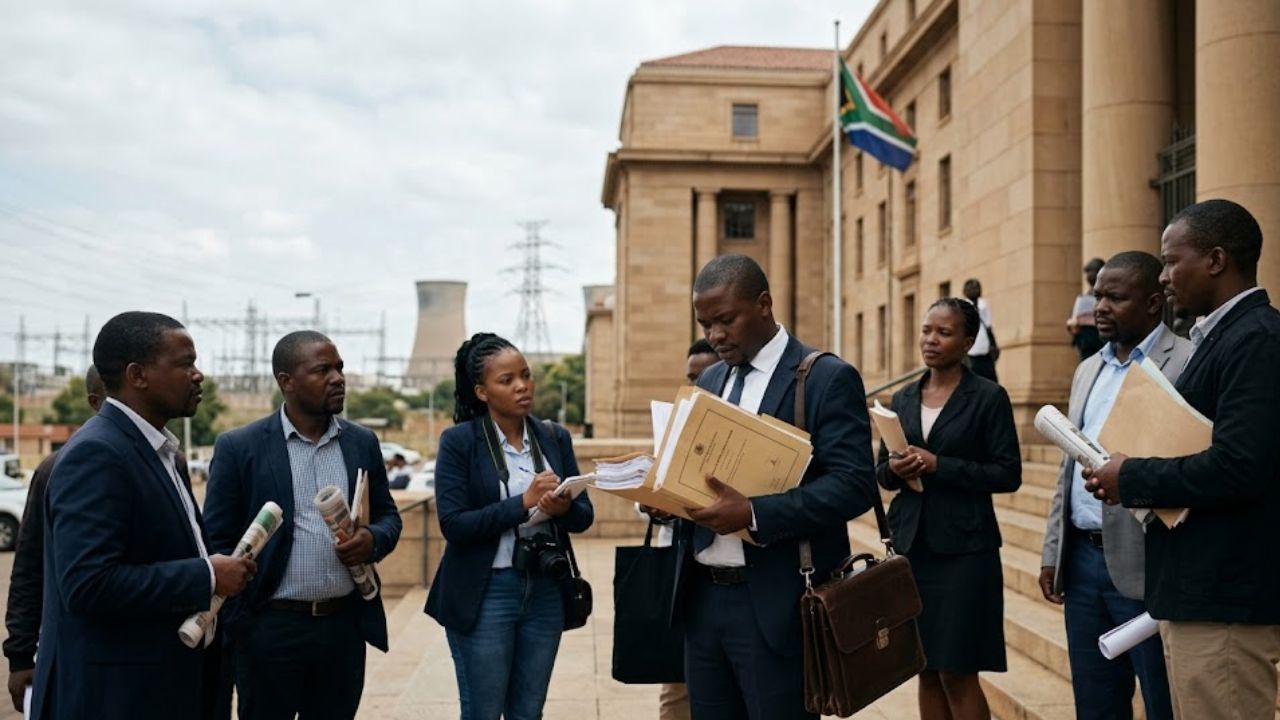
Why the decision is important for more than just this case
The ruling makes it harder for Eskom and maybe other government agencies to keep important public-interest documents secret by saying they could hurt business. This is important in a country where people don’t trust the government to run electricity well. Eskom has been in the news for years because of financial problems and very serious claims of corruption. In this case, public scrutiny is not a luxury. It’s part of being responsible.
Find out more about South Africa’s power utility. Eskom wants to cut off power to cities that haven’t paid their bills. Households may have to pay for this.
I wrote about how the court ruled in late October 2025 that the National Energy Regulator of South Africa (Nersa)’s method for deciding yearly electricity price hikes was unconstitutional because it limited public participation and violated the right to fair administrative action.
The court found that the public didn’t know how much it cost to provide electricity, which is what price hikes are based on. The energy regulator should also figure out how to raise prices in a way that lets the public have a say. Because of the secrecy, people who were hurt by high electricity prices didn’t get to say what they thought.
Fuel contracts are the problem in the most recent case. Different documents, same idea: the public can’t properly check if electricity decisions are legal, fair, or smart if they can’t see the records that went into making them.
The most recent ruling also talks about how more and more South Africans are getting off the grid. More homes and businesses are looking for solar and battery options because the formal system is not reliable and costs a lot.
But not everyone can go off-grid. Eskom and municipalities are still important to most South Africans. Eskom sends electricity directly to many homes, businesses, and other users. Municipalities, on the other hand, buy large amounts of electricity from Eskom and then sell it in their own areas. That makes it even more important for the main system to be open.
What the judgment changes and what it doesn’t
The court did not say that all Eskom documents must always be made public. There will still be times when keeping things private is the right thing to do. But it did say that a public body can’t just say “commercial sensitivity” and stop talking. It needs to show, with real facts, how disclosure would hurt their business.
The judges didn’t have to use the law’s public-interest safety valve either. In short, that rule says that a record must be made public if there is a strong public interest in seeing it, even if there are other legal reasons to keep it private. Eskom had already failed to prove that the contracts should stay secret at the first step. That makes the decision stronger. It means that the court saw openness as the norm, not something special.
Electricity is a constitutional right for South Africans. It has a lot to do with basic economic life, housing, water, health, and dignity. If it is that important, the public has a right to know how the utility that is in charge of it spends public money.
Because of this, it’s more than just a win in one court case. It serves as a reminder that in a constitutional democracy, the public should not be required to finance an electricity system that it cannot adequately evaluate.
